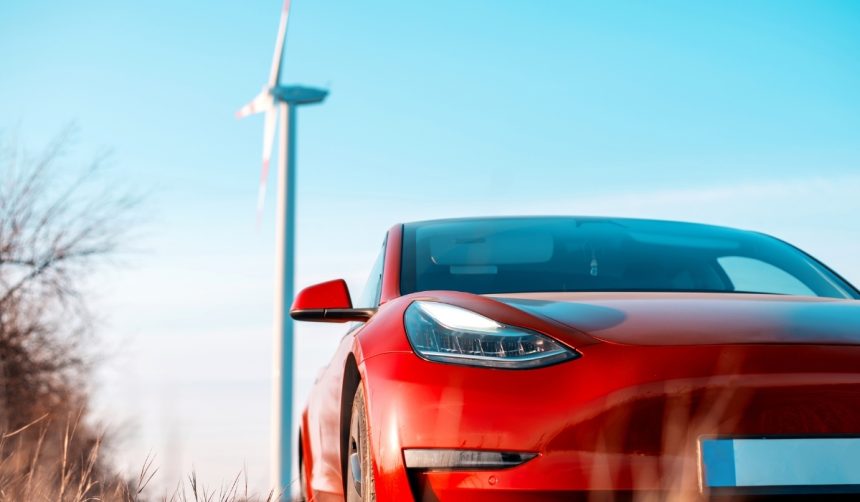

Tesla’s Supercharger Network achieved a new peak in 2025, distributing 6.7 terawatt-hours (TWh) of electricity to electric vehicles worldwide. With charging sessions numbering in the millions, the expanding infrastructure now spans over 75,000 stalls and includes support for non-Tesla cars in several regions. The substantial growth was highlighted by Tesla’s official communication, which charted the network’s journey from its 2012 beginnings to this year’s record output. The figures reflect the increasing reliance on public fast-charging as electric vehicles become mainstream options for drivers across markets. Tesla’s celebration of this milestone arrives after a year marked by operational shifts and industry scrutiny. As electric mobility becomes integral to global transportation, infrastructure milestones such as this offer a snapshot of broader trends affecting drivers and automakers alike.
While Tesla’s Supercharger expansion has been well documented since 2012, previous years saw slower growth, with significant acceleration coinciding with the introduction of high-volume vehicles like the Model 3. Earlier reports suggested potential stagnation after internal layoffs in 2024, raising questions about the network’s future. Compared to those anxieties, the latest data indicate continued strength and increasing market penetration. Broader industry analysis often highlights the Supercharger Network’s reach, yet recent figures show Tesla’s presence outpacing many other fast-charging providers, especially outside China.
What Contributed to Record Supercharger Output?
The record-high delivery of 6.7 TWh in 2025 followed a sharp rise in public charging since 2019, just as Tesla’s Model 3 began reaching more customers globally. Yearly data point to a continual and significant ramp-up, with each subsequent year surpassing the last in volume. Tesla’s network not only supports its growing vehicle fleet but is now accessible to a wider range of EV owners in major markets. According to a spokesperson for the company,
“Superchargers delivered 6.7 TWh in 2025.”
This expansion reflects increasing demand for reliable, high-powered charging as electric vehicle adoption accelerates.
How Did Team Changes Affect Supercharger Performance?
The Supercharger Network reached its new milestone despite internal changes in 2024, when staff reductions led to doubts regarding network growth. However, the posted results contradict predictions of slowed expansion and suggest that operational adjustments did not hamper charging availability or usage. Tesla’s focus appears to have stayed on service consistency and accelerated network upgrades throughout the year. As Tesla’s Director of Charging for North America commented,
“Outside China, Superchargers delivered more energy than all other fast chargers combined.”
Is Tesla’s Network Outpacing Industry Rivals?
Outside China, the data indicate that Tesla’s Superchargers exceeded the total output of competing fast-charging networks in energy delivery. This dominance is attributed not just to the number of installations, but to higher frequency of use across the global fleet. With the integration of non-Tesla EV compatibility, Tesla positions itself as a leading choice for drivers prioritizing rapid and accessible public charging. The figures for 2025 reinforce industry analysis that the company continues to play a critical role in facilitating mass EV adoption.
Analysis of the Supercharger network’s record energy delivery in 2025 underscores the importance of robust fast-charging infrastructure to support rising EV usage. For policy makers, drivers, and manufacturers, the trend illustrates the scaling needs as more vehicle owners shift to electric. Ongoing network interoperability, future-proof hardware, and the ability to withstand internal or market turbulence remain key themes in public EV charging. Tracking Tesla’s network versus regional and global counterparts provides insight not only into market competitiveness but also into the potential obstacles and opportunities facing the energy and mobility sectors. Those planning to purchase or utilize electric vehicles will benefit from monitoring such developments, as charging access and reliability are crucial for daily usability and long-distance travel.