
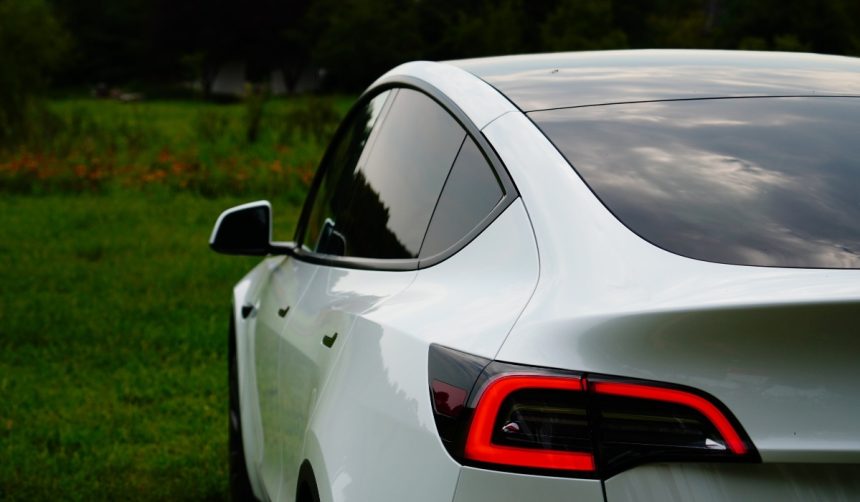
Norway’s electric vehicle landscape took a decisive turn in February, as Tesla regained its market dominance amid a near-total shift to battery electric cars. The overwhelming preference for EVs has reshaped consumer behavior and forced automakers to adapt quicker to changing policies. As the rest of Europe watches closely, Norway’s market is increasingly viewed as a glimpse into future possibilities for widespread EV adoption. Supply chain logistics and consumer incentives continue to play a crucial role, with both buyers and manufacturers adjusting strategies in response to evolving government regulations.

While rapid EV uptake in Norway has often produced world-leading market shares, the recent surge comes against the backdrop of lingering effects from a sharp sales slump in January. Observers had noted similar patterns after the 2022 VAT revisions, when EV sales also dipped briefly before rebounding. Continued tax policy uncertainties had previously clouded the short-term outlook for automakers, but February’s data now suggests that Norwegian consumers and brands have adapted quickly, reestablishing market stability.
What Sparked the February Sales Rebound?
The sharp recovery in new car registrations, totaling 7,272 units, follows January’s downturn caused by changes in value-added tax rules. Many buyers had advanced their purchases into late 2025 ahead of these adjustments, resulting in subdued activity as the new year began. The Norwegian Road Traffic Information Council (OFV) registered 7,127 battery electric vehicle sales in February, giving EVs a 98.01% market share. Fossil-fuel and hybrid vehicles made up just 2% of new registrations, underscoring the depth of EV adoption.
How Did Tesla Regain Its Position?
The Tesla Model Y bounced back after a weak January, returning to the top of Norway’s monthly sales list with 1,073 registrations and a 14.8% share. Tesla became the bestselling brand in the country with 1,210 registrations and a 16.6% market share, outpacing Toyota, Volkswagen, Volvo, and Skoda.
“We are now seeing signs that the market is returning to a more normal level of activity,”
said OFV Director Geir Inge Stokke, linking this pattern to past VAT-driven volatility. The firm’s quick rally reinforces the notion that Tesla’s earlier dip was tied to timing, not a deeper demand issue.
Will the Trend Continue Throughout 2026?
Analysts are watching to see if Tesla’s momentum and Norway’s near-universal EV preference will remain stable. Factors such as the company’s European rollout of its Full Self-Driving (Supervised) feature and the continued government support for EV infrastructure could sustain high levels of market share.
“We have seen the same pattern this year,”
Stokke added, indicating expectations of further normalization as in previous cycles of regulatory change.
Tesla’s performance in Norway now serves as a focal point for automakers and policymakers worldwide. The country’s approach highlights how coordinated strategies between industry and government can accelerate shifts in consumer technology adoption. Norway’s experience points to the significance of tax policy in shaping both short-term sales patterns and long-term vehicle mix. For readers navigating EV markets elsewhere, understanding Norway’s swift responses to regulatory shifts can inform decisions about vehicle choices, industry investments, and policy advocacy. As more countries set timelines for phasing out internal combustion engines, data from Norway offers practical lessons about transitioning to all-electric fleets.