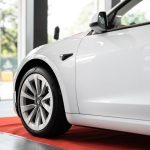
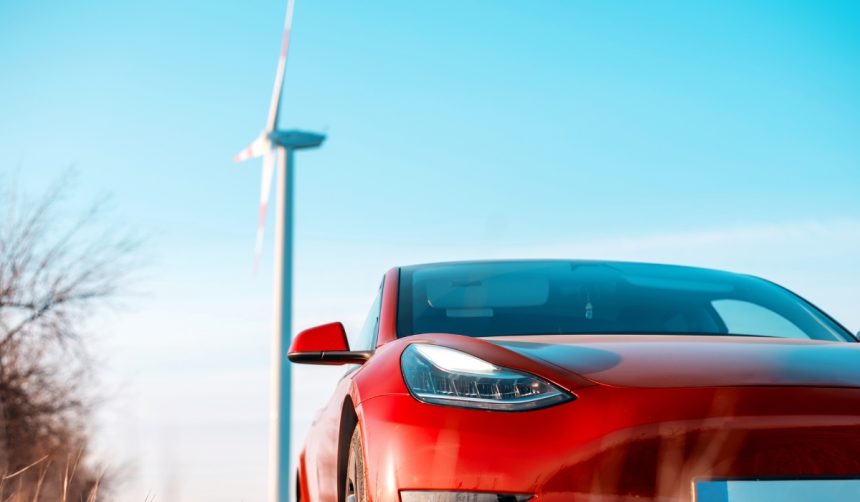

Industry watchers observe a notable development as Tesla looks to expand its advanced driver-assistance technology, Full Self-Driving (FSD) Supervised, beyond established markets. Elon Musk’s recent interactions with UAE stakeholders reflect Tesla’s increasing attention to the Middle Eastern region. Such moves not only indicate a strategic approach to market growth but also raise questions about regulatory preparedness, urban planning for autonomous vehicles, and public acceptance. While Dubai and Abu Dhabi are often praised for their rapid modernization, integrating FSD could present distinct logistical and legal challenges that authorities and Tesla must address collaboratively.
Earlier reports mainly focused on Tesla’s expansion efforts within Europe and North America. International coverage also highlighted the cautious approach regulators in various countries take toward Level 2+ and Level 3 autonomous technology. Previous milestones, such as FSD (Supervised) testing in Germany and Tesla’s regulatory trials in other territories, received attention for their emphasis on safety validation and incremental rollouts. Compared to recent signals from Musk concerning the UAE, past announcements often projected longer timelines and less certainty regarding entry into Middle Eastern markets, underlining an apparent acceleration in Tesla’s global strategy.
What Did Elon Musk Announce for the UAE?
Tesla CEO Elon Musk recently stated that the launch of Full Self-Driving (Supervised) could be set for January 2026 in the United Arab Emirates. The announcement followed a direct query from a local political analyst, to which Musk replied,
“Hopefully, next month.”
Musk’s statement has generated interest among local residents, who anticipate FSD’s potential impact on crowded urban traffic in Dubai and Abu Dhabi. The timeframe raises new questions about the readiness of both Tesla and UAE infrastructure for this kind of technology.
How Has FSD Performed in Other Regions?
Tesla’s technology has recently undergone various public demonstrations outside North America, including a comprehensive evaluation by Germany’s prominent auto magazine, Auto Bild. FSD (Supervised) was tested in Berlin’s urban environment, where it managed heavy traffic, intersections, and pedestrian crossings with relatively smooth performance. Christopher Robin Hornig, a reviewer from Auto Bild, commented that FSD provided persistent attention and situational awareness, pointing out,
“Tesla FSD Supervised sees more than I do. It doesn’t get distracted and never gets tired.”
Only minor human intervention was required, primarily when the system misinterpreted a route deviation.
What Remains Before Launch in the UAE?
For FSD’s proposed deployment in the UAE, regulatory approval and infrastructure analysis will be necessary prior to rollout. Tesla may need to work with local authorities to ensure compliance with national regulations and adaptation to unique road conditions. Given the pace of adoption for new automotive technologies in the region, both parties will likely emphasize ongoing safety testing and phased integration. Additionally, public education and clear guidance will be critical as local drivers adjust to semi-autonomous vehicles on the road.
The interplay between technology readiness, regulatory frameworks, and societal adaptation remains pivotal as Tesla prepares to bring FSD (Supervised) to the UAE. Lessons drawn from earlier launches in the US and Germany suggest that local authorities may benefit from conducting independent assessments and pilots before granting broad access. For individuals and businesses interested in the future of vehicle automation in the Middle East, tracking updates from both Tesla and UAE officials will clarify forthcoming steps. Potential users should remain informed about requirements for FSD (Supervised), as policy adjustments and system improvements may unfold ahead of the projected release.