
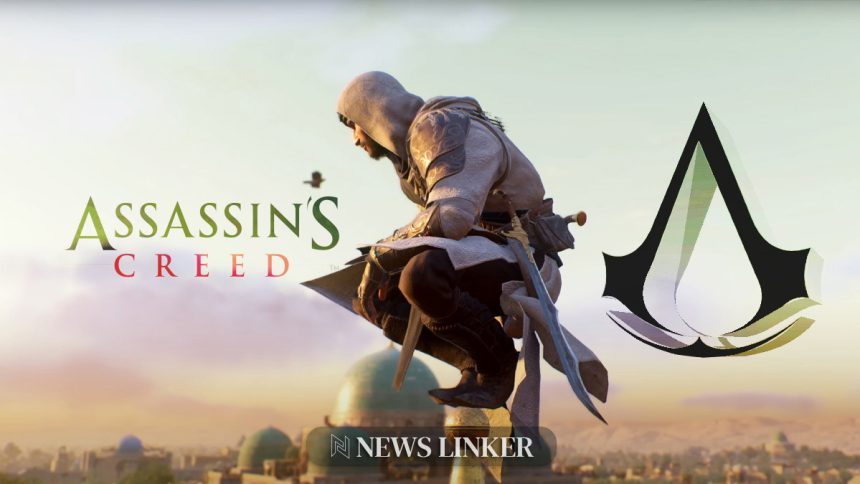
Shifts in Ubisoft‘s executive ranks are reshaping the trajectory of the Assassin’s Creed franchise as the company navigates significant internal changes. Recent departures of high-profile creative experts, including Clint Hocking, signal a period of transition for the studio. As Assassin’s Creed Codename Hexe remains in development, fans and industry analysts are closely monitoring whether these decisions will influence the future quality and distinctiveness of upcoming titles. These changes are occurring alongside broader restructuring efforts within Ubisoft, affecting both project leadership and broader creative strategies.

Multiple departures and creative transitions have characterized Ubisoft’s management of the Assassin’s Creed series in recent years. When past leadership changes occurred, such as the exit of former franchise leads, Ubisoft’s approach to design and innovation occasionally faced delays or criticism. Previous industry reports indicated that restructuring sometimes resulted in the postponement or reimagining of several projects, influencing overall timeline expectations and public perception. However, the company has typically emphasized stability by promoting experienced internal teams or veterans to managerial roles during these intervals.
What Led to Clint Hocking’s Departure from Assassin’s Creed Hexe?
Clint Hocking, recognized for his creative direction on games like Splinter Cell: Chaos Theory and Far Cry 2, has left Ubisoft after several years of contributions. According to the company’s official statement, Hocking was serving as the creative director for Assassin’s Creed Codename Hexe before his departure. The company acknowledged his work and commitment, stating,
“We sincerely thank him for his vision, creative contributions, and dedication over the years, and we wish him the very best in his next chapter.”
Hocking’s exit follows his return to Ubisoft in 2015, after previously working with other studios, and leading Watch Dogs: Legion.
How Is the Assassin’s Creed Hexe Project Progressing?
Ubisoft has reported that the development of Assassin’s Creed Codename Hexe will proceed with a team described as seasoned and capable. The company reassured stakeholders and fans about project continuity, noting that Hexe intends to deliver a fresh experience within the franchise. Current details about Hexe remain limited, but statements have repeated that the game aims to take the series in a more supernatural direction. Further differentiating it from titles such as Assassin’s Creed Shadows, Ubisoft’s leadership remarked,
“The game will deliver something distinctive within the Assassin’s Creed franchise.”
Who Is Leading Assassin’s Creed Projects After the Restructuring?
Jean Guesdon, previously head of content for the Assassin’s Creed brand, has assumed the role of creative director for the Hexe project. Ubisoft’s recent round of internal restructuring also placed the Assassin’s Creed franchise under the guidance of its Vantage Studios division, led by Christophe Derennes and Charlie Guillemot. Other senior leadership changes have marked this period, notably the departure of former series boss Marc-Alexis Côté, whose exit led to legal action against Ubisoft. These adjustments coincide with the announcement of new franchise managers, including Guesdon, who are expected to drive future franchise strategy and direction.
As the Assassin’s Creed series adapts to these organizational shifts, it is positioned at a crossroads that could redefine its approach to game design and content. The introduction of Jean Guesdon as creative director and the movement of Hexe toward supernatural themes may lead to new gameplay mechanics or storytelling techniques not previously explored in the franchise. For players and fans, these developments suggest a period of adjustment as Ubisoft tests new ideas while aiming to preserve the distinct identity of its best-selling series. Following these business changes, the gaming community will be watching closely to see whether Ubisoft’s reliance on seasoned talent ensures both continuity and creative growth. For those interested in following large-scale entertainment franchises, examining how leadership reshuffles affect the creative output serves as a useful case study in the dynamics of the interactive media industry.