
Attracting attention from technology enthusiasts and everyday passersby, Tesla has recently placed its nearly production-ready Cybercab on display at the Santana Row showroom in San Jose, California. The autonomous two-seater, featuring fresh design improvements and a more comfortable interior, stood out among curious visitors seeking a close look at the carmaker’s latest development. The updated Cybercab has drawn interest not only for its innovative features but also for its potential implications in the growing autonomous mobility market.
Recent reports on the Cybercab have documented incremental changes over the vehicle’s development, highlighting various design evolutions since earlier prototypes. Past sightings primarily revealed a rougher exterior and a simpler interior, with critics noting a utilitarian feel in the pilot versions. Now, the showroom model showcases significant refinements, underscoring a shift toward practicality and everyday usability that were often missing in previous mockups. These recent updates seem to represent Tesla’s ongoing strategy to balance style, comfort, and function in their autonomous product lineup, as reflected in consumer and industry feedback scrutinizing earlier versions.
What Upgrades Distinguish the Displayed Cybercab?
Tesla has implemented multiple design modifications to the Cybercab, both inside and out. The exterior now features a frameless window style, a lengthened front splitter, and minor adjustments to the rear hatch. The lighting system has been updated, with a new front lightbar that integrates the headlights, along with novel wheel covers and an added bracket for the license plate.
“We’ve focused on refining the look and feel to deliver a more inviting experience for passengers,”
said a Tesla representative at the event, referring to the enhanced appearance.
How Have the Interior Elements Improved?
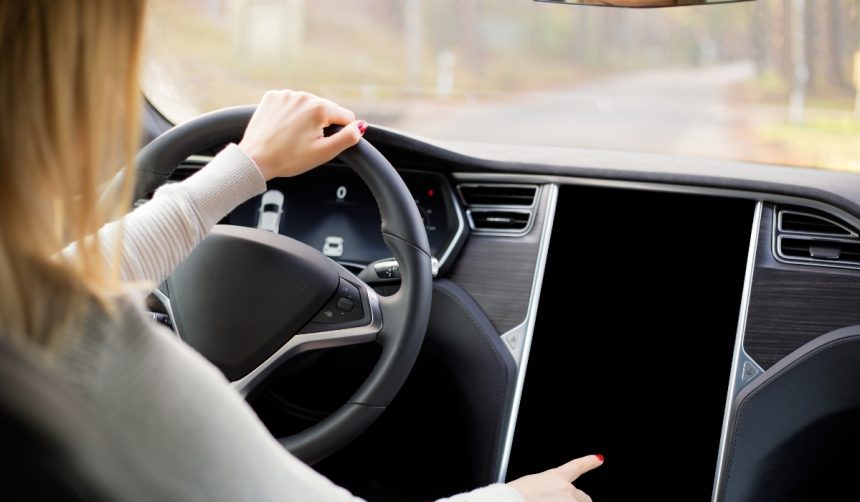
Changes inside the cabin reveal a redesigned dashboard and door panels, upgraded carpeting, and seating adjustments with new cupholders in the center. A second windshield wiper replaces the prototype’s single unit, and powered door struts support the butterfly-style doors for easier access. The enhanced legroom has been noted as an improvement over earlier iterations of the vehicle. A Tesla engineer commented:
“User comfort and accessibility remain central to our design philosophy as we finalize the Cybercab’s layout.”
What Signals the Vehicle’s Progression Toward Production?
Observers have reported frequent public sightings of the Cybercab across California, with the company testing updates and functional features in varied locations. A notable instance involved the Cybercab maneuvering through a local drive-through, sparking interest in the vehicle’s real-world usability. Adjustments such as segmented headlights, larger door openings, and more distinct turn signals point to ongoing optimization as Tesla prepares for production, anticipated to commence in the second quarter of 2026.
Tesla’s approach with the Cybercab marks another step in the development of autonomous ride-hailing vehicles, moving from conceptual prototypes toward ready-for-market applications. By prioritizing changes in ergonomics and function, the company seeks to address concerns raised during earlier viewings, such as accessibility and comfort for short city trips. The vehicle’s streamlined design and inclusion of features like powered butterfly doors indicate their intention to appeal to city drivers and shared-mobility users who may not seek traditional vehicle purchase or ownership. Monitoring this progression offers insight into how major automotive brands are addressing public skepticism and regulatory hurdles associated with driverless mobility solutions.