
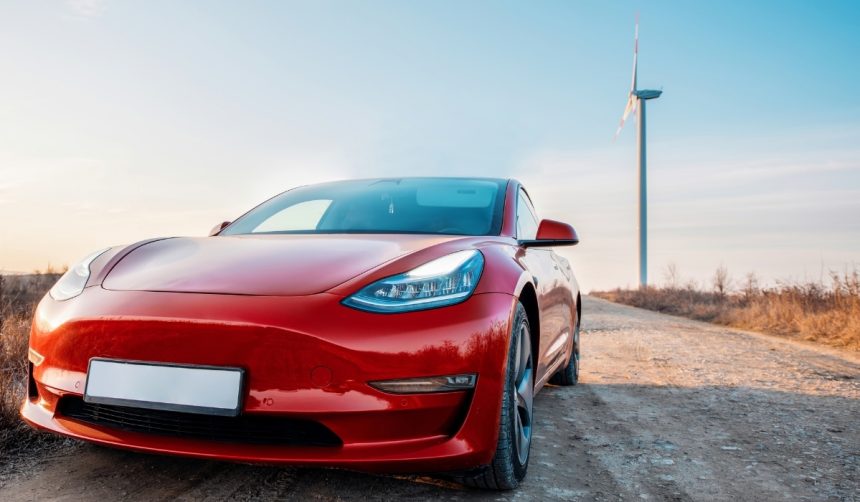

Waymo’s latest move in Austin marks a significant development in the self-driving vehicle market, intensifying competition with Tesla’s Robotaxi initiative. As autonomous vehicle technology gains traction in urban transportation strategies, companies refine their programs to attract more riders and cover broader metropolitan regions. The expansion of Waymo’s geofence by more than 50 percent signals a direct response to Tesla’s growing presence, and both firms now vie for dominance in this evolving sector. The race also serves as a test case for regulatory bodies and local authorities to gauge public adoption and safety practices. This dynamic has drawn increased attention from technology observers and city planners seeking solutions to urban mobility challenges.
Waymo’s approach to rolling out its autonomous vehicles has consistently emphasized safety and fully driverless operations within constrained but densely populated service areas. Over recent years, Waymo has gradually expanded to multiple cities, but often with measured geofence increases. Tesla, meanwhile, has generally favored larger operational zones and frequent fleet scaling, but has maintained a Safety Monitor in its vehicles until its technology achieves higher confidence thresholds. While earlier expansions saw Waymo cautious in extending coverage, its latest leap suggests mounting pressure from Tesla’s advances in Austin and other metropolitan regions.
How did Waymo extend its Texas operations?
Waymo recently increased its service area in Austin from 90 to 140 square miles, now stretching further south to Manchaca and north beyond US-183. This adjustment positions Waymo’s geofence closer in size to Tesla’s operational footprint in the city. The company states that this area brings Waymo close to covering the main corridors and neighborhoods of Austin, allowing a broader cross-section of residents access to its autonomous ride-hailing service.
Waymo explained, “Expanding the geofence allows us to serve more Austinites and offer greater flexibility in our fully driverless rides.”
While the expansion narrows the gap, Tesla’s geofence remains larger at approximately 171 square miles.
What are the operational differences between Waymo and Tesla?
Waymo operates fully driverless vehicles in Austin, setting it apart from Tesla, which continues running its Robotaxi service with a Safety Monitor present—either as a passenger during local rides or in the driver’s seat for highway travel. Tesla has begun testing truly autonomous operations internally but has yet to fully remove human oversight in public Robotaxi journeys. Waymo highlights its mature, fully autonomous capabilities in denser service zones, whereas Tesla’s model emphasizes broad coverage and incremental deployment.
Waymo added, “We are committed to a gradual and safe rollout, focusing on reliable driverless performance within our service area.”
Each company’s differing precautions reflect their respective approaches to regulatory and public perception challenges.
Are both companies planning further expansion?
Both Waymo and Tesla have outlined intentions to broaden their reach into more U.S. cities. Waymo currently operates autonomous ride-hailing in markets like Las Vegas, Los Angeles, Phoenix, and Atlanta, with plans for continued growth. Tesla is aiming to introduce its Robotaxi service to new hubs, including Miami, Houston, Phoenix, Las Vegas, and Dallas, along with further scaling its existing fleets. Tesla’s next-generation “Cybercab” and the achievement of 200 Robotaxis across Austin and the Bay Area signal an ongoing commitment to expansion and innovation. Despite different roll-out strategies, both companies see major cities as critical testing grounds for mass adoption of driverless transportation technologies.
The development of autonomous ride-hailing in Austin highlights significant shifts in strategies compared to previous announcements. Earlier reports showed Waymo cautious with incremental expansions, but recent moves demonstrate a willingness to rapidly grow service areas in response to market rivalries. Tesla’s ongoing focus on broader geofencing and scaling, sometimes with less caution regarding regulatory uncertainty, contrasts with Waymo’s staged approach. This interplay reflects not only technology maturation but also shifting market dynamics as customer interest and municipal acceptance increase for fully autonomous transportation solutions.
Waymo’s recent geofence expansion in Austin puts the company in direct contest with Tesla for the city’s autonomous ride-hailing market. While Tesla maintains a larger service area and actively works toward removing in-car human monitors, Waymo has prioritized achieving full driverless rides within slightly smaller boundaries. These contrasting tactics cater to different public trust and regulatory climates, with each company aiming to maximize user confidence while scaling their platforms. For policymakers and city travelers, close attention to operational distinctions like ride coverage, safety protocols, and deployment milestones can inform expectations and decision-making. Riders in Austin will soon have access to increased autonomous coverage, and observing how consumers respond will provide invaluable feedback for both companies’ next directions.