
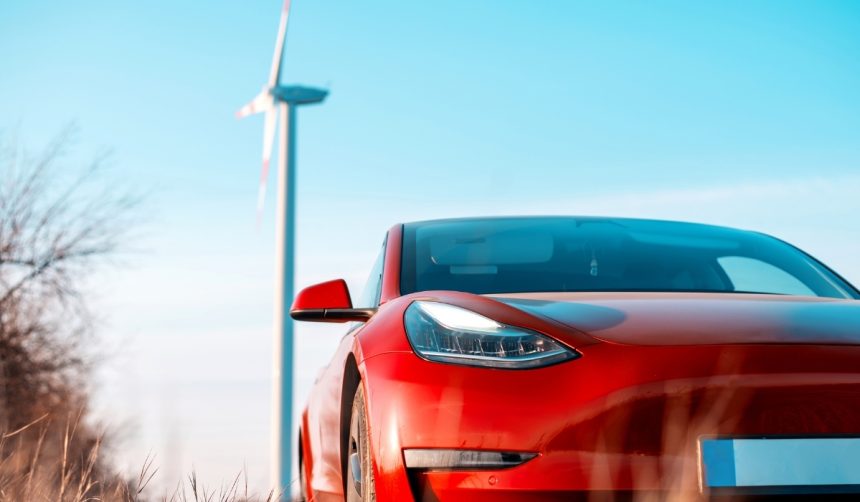

Interest in electric vehicles is reshaping automotive preferences among South Korea’s youth, with Tesla leading imports by a significant margin. Consumers in their 20s and 30s have turned to the brand in large numbers, driven by factors beyond traditional performance metrics. This trend reflects a broader cultural moment where technology and lifestyle overlap, echoing global shifts toward electric mobility. Compared to older generations, younger buyers appear more inclined to consider brand identity and digital features as key motivators. As choices in the auto market shift, manufacturers face mounting pressure to address new expectations and adapt marketing strategies to resonate with this demographic.
Media coverage over the last two years highlighted Tesla’s increasing popularity in South Korea, particularly as government subsidies and growing charging infrastructure helped boost adoption. Initially, sales to younger drivers lagged behind other groups, while luxury brands like BMW and Mercedes-Benz continued to perform well. Even so, as Tesla’s local presence expanded and newer models were introduced, reports suggested that younger buyers became more receptive, influenced by peer groups and social trends. Comparison to other periods shows that market dynamics shifted rapidly, with Tesla surpassing competitors at a rate few experts predicted, reflecting evolving attitudes toward imported cars and changing consumer values.
What Drives Tesla Preference Among Young Koreans?
A “fandom culture” is seen as a major contributor, where personal brand loyalty outweighs conventional considerations like engine performance or longstanding heritage. Many young customers treat a Tesla purchase similarly to acquiring sought-after electronics. According to industry experts, features such as user-friendly interfaces and innovative design strongly appeal to this demographic. A representative from the Korea Imported Automobile Association commented,
“The purchasing behavior among the 20s-30s bracket reflects a unique fusion of tech enthusiasm and lifestyle aspirations.”
Industry observers further noted that the purchase decision often mirrors trends seen in other consumer tech markets.
How Have Tesla Models Performed in This Age Group?
The Tesla Model Y has emerged as the most popular choice, toppling rivals in both male and female segments. Figures indicate that nearly 16,000 young men and almost 4,000 young women chose the Model Y between January and November 2025. The Model 3 also attracted significant attention, particularly among those entering the electric vehicle market for the first time, partially due to its more accessible price. Features such as long driving range, convenience, and vehicle design contributed to this preference. The company stated,
“Demand for the Model Y continues to exceed expectations among younger South Korean consumers,”
underscoring the model’s widespread reception across genders.
Do Young Buyers Ignore Controversies and Recalls?
Despite recurring recalls and controversies involving Tesla, younger customers seem largely unfazed, according to industry analysts. Most recalls relate to over-the-air software updates rather than hardware faults, mitigating concerns about service disruptions. Media reports confirm that this cohort tends to view their vehicles more as lifestyle devices, akin to smartphones, which tempers their response to negative news. Subsidies, government incentives, and Tesla’s marketing efforts also help reinforce brand loyalty, providing additional reasons for this market segment to remain committed. This pattern highlights how brand identity and value perception can sometimes buffer companies against reputational challenges.
Examining this shift in South Korea’s imported car market offers insight into broader trends: technological affinity, policy support for electric vehicles, and shifting cultural values each play a role in driving Tesla’s growth among young buyers. Rather than focusing solely on vehicle performance or traditional luxury features, many consumers increasingly assess companies by their alignment with digital lifestyles and social identities. For competitors, understanding changing demand patterns becomes vital as they strategize future offerings. Observing subsidy and infrastructure policies will be key for industry watchers, as these factors continue to influence market outcomes. For readers considering electric vehicles, monitoring both technology trends and policy changes can help inform future purchase decisions.